
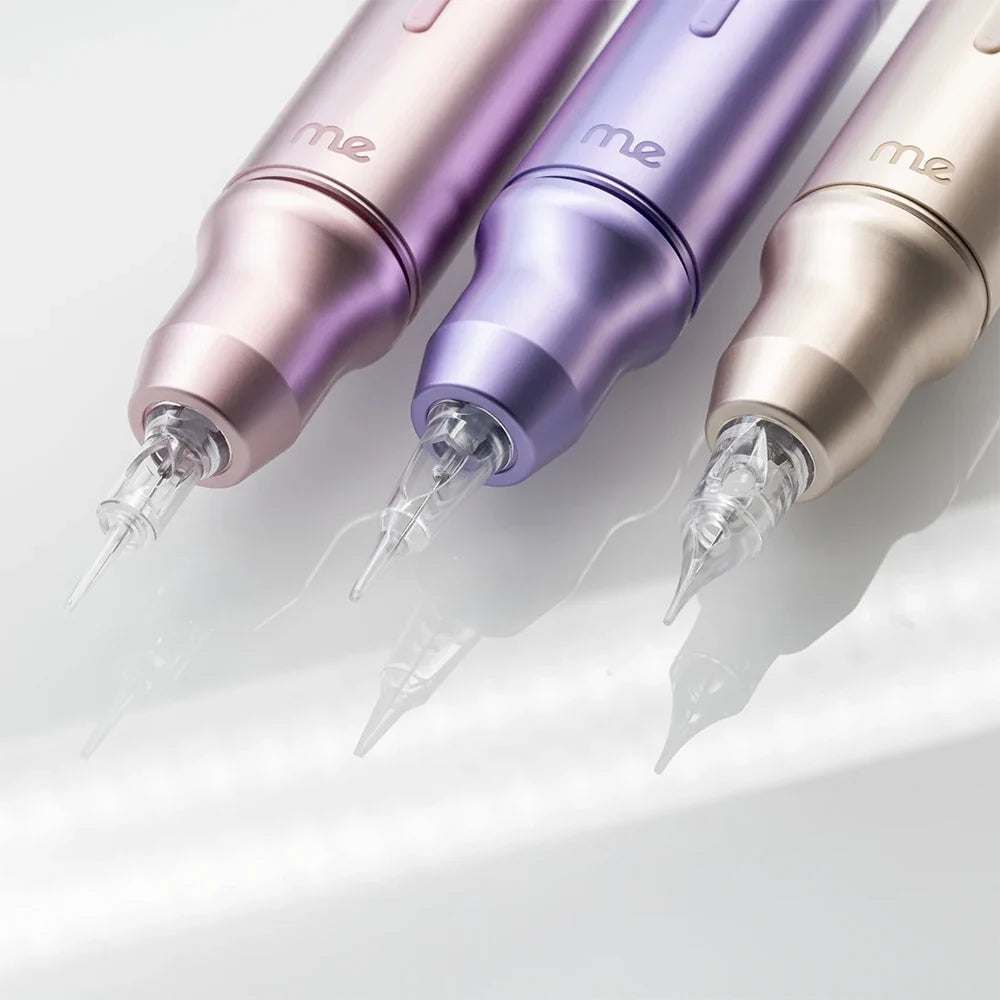
„Nastavte jehlu na dva milimetry“ zní jako přesný pokyn. V praxi ale může popisovat úplně jiné pracovní podmínky, pokud jde o dva různé strojky, cartridge a typy tkáně. Protože vysunutou část jehly je snadné vidět, často se při školení stává orientačním bodem. Problém začíná ve chvíli, kdy se vysunutí jehly bere jako měřítko toho, jak hluboko pigment proniká do kůže.
Jsou to dvě různé veličiny.
Vysunutí jehly popisuje polohu jehly vůči špičce cartridge. Ke skutečnému průniku dochází až při kontaktu jehly s tkání a závisí na řadě faktorů, mimo jiné na pracovním úhlu, tlaku ruky, stabilizaci tkáně, pohybu ruky, délce zdvihu a chování pohonu pod zátěží.
Proto neexistuje jedno nastavení vysunutí jehly, které by šlo bezpečně okopírovat z videa a přenést na každý PMU strojek.
Co je vysunutí jehly v PMU?
Vysunutí jehly (anglicky needle hang nebo needle protrusion) je maximální vzdálenost, o kterou hrot jehly během pracovního cyklu vyčnívá za špičku cartridge.
U strojků typu pen se otáčením gripu obvykle mění poloha cartridge vůči zdvihátku strojku. Délka zdvihu se tím automaticky nemění. Zdvih popisuje celkovou dráhu, kterou jehla urazí během jednoho cyklu; vysunutí jehly popisuje její polohu vůči plastové špičce cartridge.
Obě veličiny spolu souvisejí, ale nejsou totéž.
Vysunutí jehly, zdvih a hloubka: tři různé pojmy
|
Parametr |
Co popisuje? |
Co ho mění? |
|
Zdvih |
Celkovou dráhu jehly během jednoho cyklu |
Geometrie pohonu nebo nastavení zdvihu, pokud ho strojek umožňuje |
|
Vysunutí jehly |
Maximální polohu jehly za špičkou cartridge |
Nastavení gripu a geometrie systému strojek–cartridge |
|
Skutečný průnik |
Jak daleko jehla při konkrétním kontaktu pronikne do tkáně |
Technika, úhel, napnutí, tlak, pohyb, vlastnosti tkáně a chování strojku |
I s dlouhým vysunutím jehly lze pracovat velmi povrchově, pokud je špička cartridge držena nad kůží. A naopak: kratší vysunutí lze kombinovat se špičkou cartridge opřenou o tkáň a dostatečným tlakem, a vytvořit tak mnohem hlubší kontakt, než by napovídala viditelná délka jehly.
Proč se stejné nastavení chová při jiném zdvihu jinak?
Vysvětlit to pomůže zjednodušený geometrický model. Předpokládejme, že vysunutí jehly měříme v její nejpřednější poloze a že se na cartridge přenáší celý zdvih mechanismu.
Pokud je maximální vysunutí jehly 2,0 mm:
při zdvihu 2,8 mm by se jehla teoreticky zatáhla 0,8 mm za okraj špičky cartridge;
při zdvihu 3,5 mm by se teoreticky zatáhla 1,5 mm za okraj;
při zdvihu 4,2 mm by se teoreticky zatáhla 2,2 mm za okraj.
Tento model nepopisuje dokonale každou cartridge. Záleží na délce jehlové tyčky, konstrukci membrány, poloze komory s pigmentem i výrobních tolerancích. Ukazuje ale důležitý princip: stejné dva milimetry viditelné vpředu nevytvářejí stejný cyklus jehly.
Zdvih 4,2 mm neznamená, že jehla pronikne do kůže do hloubky 4,2 mm. Zdvih je dráha mechanismu, ne míra toho, jak hluboko artistka zavádí jehlu do tkáně.
Vysunutí jehly ovlivňuje tok pigmentu
Jehla se kůže jen nedotýká. Během každého cyklu musí také nabrat pigment uvnitř cartridge a přenést ho.
Při velmi dlouhém vysunutí se jehla nemusí zatáhnout dost hluboko do komory s pigmentem ve špičce. Podle konstrukce cartridge to může omezit smáčení pracovní části jehly. Artistka sice může dobře vidět na místo kontaktu, ale tok pigmentu začne rychle slábnout.
Pokud je vysunutí příliš krátké, může být špička cartridge velmi blízko povrchu. Pigment se pak může hromadit kolem špičky, tvořit na tkáni loužičky nebo zakrývat místo kontaktu. Pokud se plastová špička během pohybu dotýká kůže, mění také deformaci tkáně a úhel, pod kterým je jehla vedena.
Neznamená to, že každý problém s tokem pigmentu vyřeší otočení gripu. Zkontrolujte také:
viskozitu pigmentu a množství nabrané do cartridge;
profil špičky cartridge;
jak dobře je jehla podepřená a vedená;
zaschlý pigment ve špičce;
úhel, pod kterým nabíráte pigment;
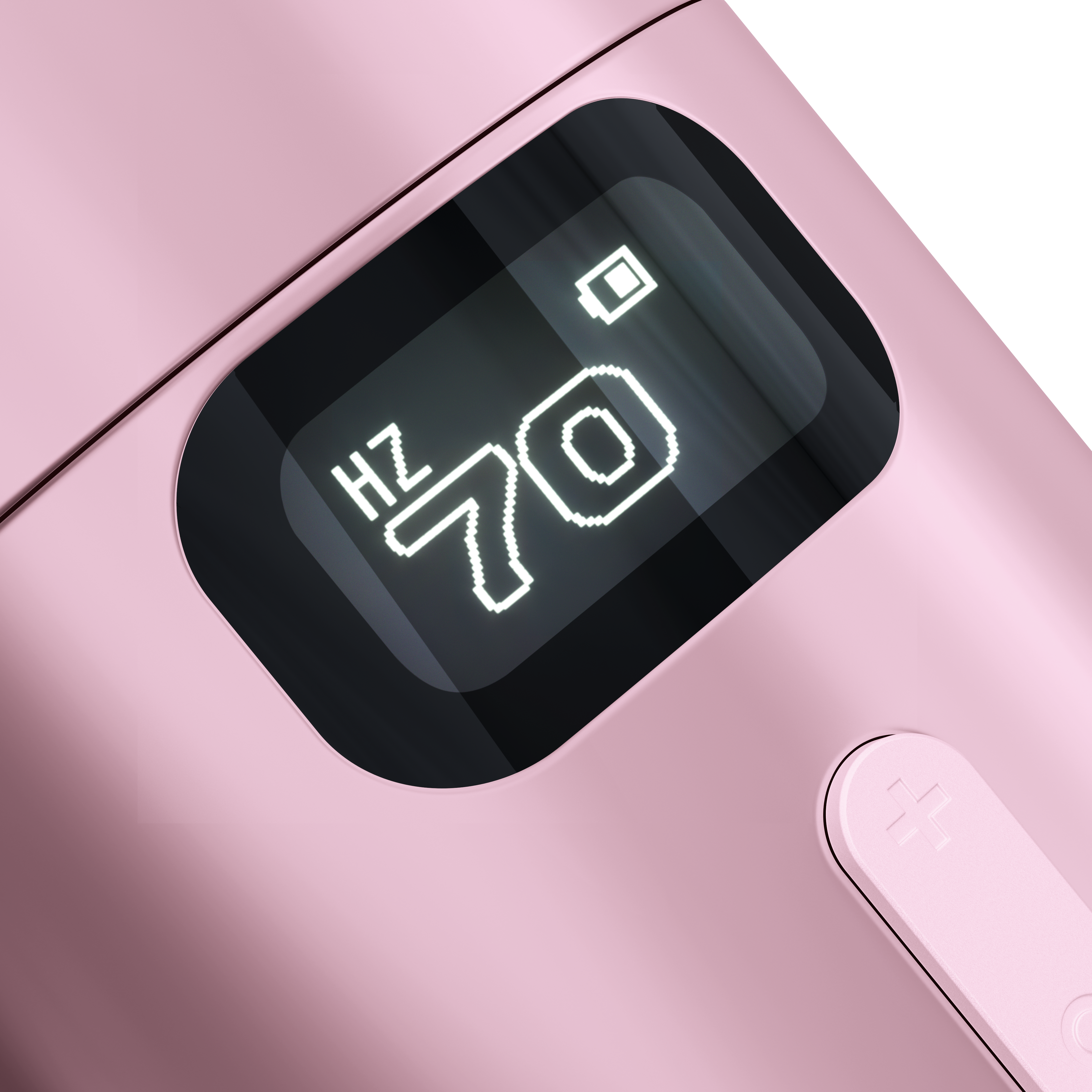
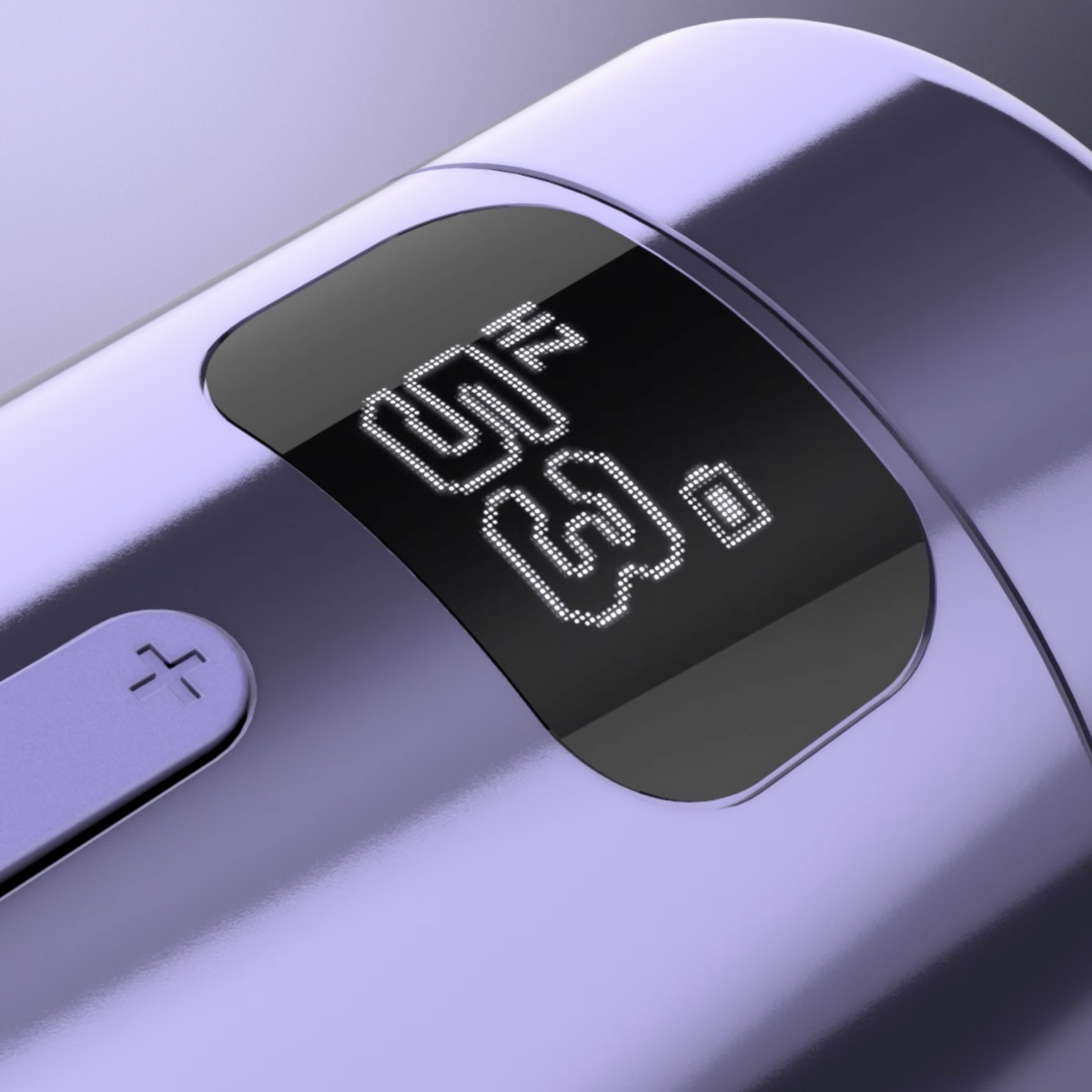
frekvenci strojku;
odpor membrány a volnost zpětného pohybu jehly.
Skutečná hloubka vzniká až při kontaktu jehly s tkání
Tkáň není tuhá deska. Než jehla pronikne, nejprve ji deformuje. Ret se může prohnout, posunout nebo pootočit a měkká kůže obočí může ustupovat spolu s hrotem jehly.
Výzkumy zavádění jehel ukazují, že geometrie hrotu, vlastnosti tkáně, rychlost kontaktu i předpětí mění sílu a deformaci, ke kterým dochází před průnikem. Nejde o studie zákroků PMU a nepředepisují žádné nastavení, podporují ale základní biomechanický princip: poloha nástroje ve vzduchu sama o sobě nepředpoví, jak se bude chovat v měkké tkáni.
Stabilizace mění účinný kontakt
Když oblast není stabilizovaná, část dráhy jehly se „spotřebuje“ na deformaci povrchu. Artistka může zvětšit vysunutí jehly, a přesto nedosáhnout opakovatelného kontaktu. Přirozenou reakcí pak často je přidat tlak nebo udělat víc průchodů.
Kontrolované napnutí omezuje pohyb tkáně a vytváří předvídatelnější pracovní povrch. Cílem není maximální napnutí. Cílem je stabilizovat oblast natolik, aby jehla nemusela honit pohybující se ret nebo povrch kůže.
Pracovní úhel mění svislou složku pohybu
Když je strojek nakloněný, část pohybu jehly působí podél povrchu tkáně. Dlouhé vysunutí zvětšuje viditelnou vzdálenost mezi špičkou cartridge a kůží, ale nezaručuje hlubší implantaci. Může naopak usnadnit tažení jehly a vznik čárek nebo škrábanců místo pravidelných teček.
Vysunutí jehly proto nelze správně posoudit bez posouzení pracovního úhlu.
Proč je jedna „bezpečná hloubka“ v milimetrech zavádějící?
Tabulky na internetu často přiřazují obočí, rtům a očním víčkům přesné hloubky. Mohou působit vědecky, ale během zákroku nemá artistka žádný nástroj, který by v živé tkáni změřil průnik na desetiny milimetru.
Tloušťka a stavba tkáně se liší mezi oblastmi i mezi klientkami. Červeň rtů je přechodová zóna s jinou stavbou epitelu, prokrvením a tloušťkou než kůže obličeje. Histologické studie ukazují rozdíly i v rámci samotného rtu.
Je faktem, že histologicky se trvale uložený tetovací pigment nachází v dermis a v buňkách tkáně. To ale nedává univerzální nastavení strojku pro PMU. Převádět anatomickou vrstvu přímo na „1,5 mm viditelné jehly“ znamená ignorovat deformaci tkáně, pracovní úhel i způsob vedení strojku.
Dlouhé vysunutí jehly není samo o sobě dobré ani špatné
Delší vysunutí může zlepšit viditelnost místa kontaktu a udržet plastovou špičku cartridge dál od povrchu. Vyžaduje ale také pevnou ruku, dobrou kontrolu vzdálenosti a stálý tok pigmentu.
Kratší vysunutí může usnadnit udržení opakovatelné vzdálenosti, ale může zhoršit viditelnost a zvýšit pravděpodobnost, že se špička cartridge dotkne kůže.
Ani jedna možnost není automaticky šetrnější. Reakci tkáně určuje celý systém:
strojek a délka zdvihu;
frekvence a stabilita pod zátěží;
cartridge a odpor membrány;
vysunutí jehly;
napnutí tkáně;
pracovní úhel;
rychlost ruky a vzor pohybu;
tlak a počet průchodů.
Proč byste neměla kopírovat vysunutí jehly z výukového videa?
Video ukazuje viditelnou část techniky, ale skutečnou geometrii celého systému odhalí jen zřídka. Dvě artistky mohou zdánlivě používat stejné vysunutí jehly, a přitom pracovat se strojky se zdvihem 2,5 mm a 4,2 mm, s různými cartridge a s úplně jinou reakcí pohonu na odpor membrány.
Pokud artistka okopíruje dlouhé vysunutí, rychlý pohyb ruky a lehké napnutí tkáně z ukázky provedené výkonnějším strojkem, levný strojek s jinou mechanikou nemusí vytvořit srovnatelný kontakt.
Nejde jen o cenu, ale o mechanický nesoulad. Snaha dohnat barvu větším tlakem nebo dalšími průchody může zvýšit poranění tkáně, aniž by se implantace úměrně zlepšila.
Totéž platí pro napětí. Nastavení 6 V na jednom strojku neurčuje frekvenci ani charakteristiku úderu jiného strojku. Okopírovat napětí i vysunutí jehly může vypadat jako vytvoření stejného nastavení, ale stejné chování jehly to nezajistí.
Jak vysunutí jehly u PMU nastavit vědomě?
Nezačínejte hledáním jednoho univerzálního čísla. Stanovte si výchozí nastavení pro konkrétní strojek a cartridge, se kterými pracujete.
1. Posuďte jehlu za chodu strojku
Maximální vysunutí kontrolujte při zapnutém strojku. Nastavení posuzované na vypnutém strojku nemusí ukázat nejpřednější polohu jehly.
2. Zkontrolujte úplný návrat jehly
Jehla by se měla pohybovat v ose a plynule se vracet. Pokud dře o špičku, zadrhává se nebo se jedna cartridge chová jinak než ostatní, vyměňte cartridge dřív, než začnete měnit techniku.
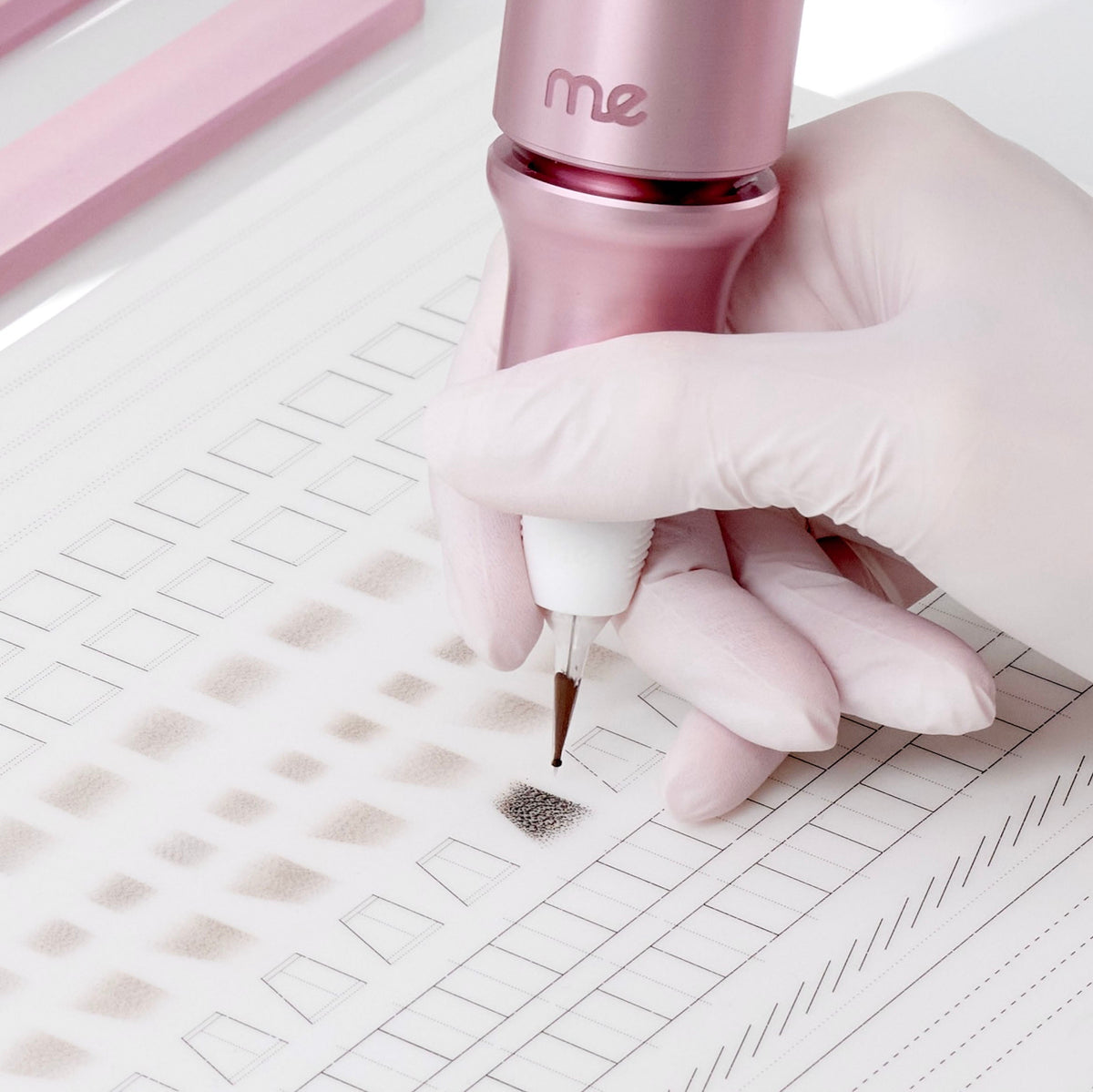
3. Posuďte tok pigmentu na cvičné kůži
Po jednom namočení udělejte sérii stejných pohybů. Sledujte, jestli intenzita rychle neklesá, jestli špička nestříká pigment a jestli stopa zůstává pravidelná.
Cvičná kůže nemůže určit bezpečnou hloubku v živé tkáni, ale pomůže vám posoudit mechaniku a tok pigmentu.
4. Měňte vždy jen jednu proměnnou
Když upravujete vysunutí jehly, neměňte zároveň frekvenci, cartridge a rychlost ruky. Jinak nebudete vědět, která proměnná změnila výsledek.
5. V tkáni sledujte kontakt, ne milimetry
Posuzujte pravidelnost teček, tok pigmentu, chování povrchu a reakci tkáně. Pokud výsledek vyžaduje stále větší tlak nebo opakované průchody, zastavte se a projděte celý systém, místo abyste jehlu vysouvala dál a dál.
Rychlý průvodce řešením problémů
|
Příznak |
Co zkontrolovat nejdřív |
|
Pigment teče jen při prvních několika pohybech |
Vysunutí jehly, nabírání pigmentu, profil špičky cartridge a průchodnost špičky |
|
Špička vytváří loužičku pigmentu |
Nedostatečná vzdálenost špičky od kůže, viskozita, úhel a množství pigmentu |
|
Objevují se čárky nebo škrábance |
Úhel, boční pohyb, stabilizace tkáně a délka vysunutí jehly |
|
Jehla je vidět, ale barva se nebuduje |
Tok pigmentu, rychlost ruky, napnutí tkáně, cartridge a výkon pohonu pod zátěží |
|
Nastavení funguje s jednou cartridge, ale s jinou ne |
Membrána, délka jehlové tyčky, vedení a geometrie špičky |
|
Delší vysunutí vyžaduje větší tlak |
Vraťte se k výchozímu nastavení; nevyrovnávejte geometrii silou |
Časté otázky
Kolik milimetrů by měla jehla u PMU vyčnívat?
Jako praktické vodítko platí, že maximální viditelné vysunutí jehly by nemělo přesáhnout zhruba polovinu délky zdvihu strojku. Z toho vycházejí tyto přibližné horní hranice:
zdvih 2,8 mm – vysunutí jehly zhruba do 1,4 mm;
zdvih 3,5 mm – zhruba do 1,75 mm;
zdvih 4,2 mm – zhruba do 2,1 mm.
Nejde o univerzální pracovní nastavení a neudává hloubku implantace. Konečné vysunutí je třeba přizpůsobit viskozitě pigmentu, uspořádání a průměru jehel, taperu, geometrii špičky cartridge, odporu membrány a pracovní technice.
U hustého pigmentu může příliš dlouhé vysunutí narušit pravidelné nabírání pigmentu, protože se jehla nezatahuje dost hluboko do komory cartridge. U řidšího přípravku a příliš krátkého vysunutí se pigment může hromadit kolem špičky, tvořit na tkáni loužičky a zakrývat místo kontaktu.
Záleží i na pracovní ploše jehly. Jemná jednotlivá jehla, silnější 1RL a větší uspořádání jehel nepřenášejí pigment stejně. Pravidlo poloviny zdvihu proto berte jako horní výchozí hranici; o konečném nastavení rozhoduje návrat jehly, tok pigmentu a pravidelnost stopy.
Určuje vysunutí jehly hloubku implantace?
Ne. Popisuje maximální polohu jehly vůči špičce cartridge. Skutečný průnik závisí na kontaktu s tkání, pracovním úhlu, napnutí, pohybu a tlaku.
Vyžaduje delší zdvih delší vysunutí jehly?
Ne automaticky. Delší zdvih znamená větší celkovou dráhu jehly během jednoho cyklu, ale neurčuje, jak daleko má jehla vyčnívat za špičku cartridge.
Zdvih ovlivňuje dynamiku pohybu jehly, její návrat do komory cartridge, dobu, kterou tráví mimo špičku, i způsob, jakým se dotýká tkáně. Spolu s frekvencí, pohybovým profilem strojku, rychlostí ruky a napnutím tkáně může měnit dobu kontaktu jehly s tkání a množství pigmentu uloženého v každé tečce.
Delší zdvih tak může vytvořit výraznější a účinnější kontakt, aniž by bylo nutné vysunutí jehly zvětšovat. Nadměrné vysunutí naopak může zhoršit nabírání pigmentu, snížit stabilitu jehly a zvětšit boční pohyb.
Po změně zdvihu znovu nastavte vysunutí jehly s ohledem na:
viskozitu pigmentu;
průměr a uspořádání jehel;
geometrii cartridge;
frekvenci;
pohybový profil strojku;
rychlost ruky;
napnutí a vlastnosti tkáně;
zamýšlenou velikost a hustotu teček.
Delší zdvih neznamená „vysunout víc jehly“. Znamená: změnil se celý cyklus pohybu, takže je nutné znovu posoudit tok pigmentu, kontakt s tkání i množství pigmentu uložené v každé tečce.
Proč při dlouhém vysunutí jehly přestane téct pigment?
Jehla se nemusí zatáhnout dost hluboko do komory s pigmentem, nebo může být špička ucpaná. Roli hraje i viskozita pigmentu, profil špičky cartridge, frekvence a technika namáčení.
Dá se vysunutí jehly nastavit při vypnutém strojku?
Prvotní nastavení udělat můžete, ale konečné posouzení by mělo proběhnout za chodu strojku, kdy je vidět maximální vysunutí i zpětný pohyb.
Ukáže cvičná kůže správnou pracovní hloubku?
Ne. Dá se na ní posoudit viditelnost, tok pigmentu, pravidelnost stopy a chování cartridge. Nenapodobí ale deformaci, prokrvení ani biologickou reakci živé tkáně.
Závěr
Vysunutí jehly je geometrické nastavení, ne měřítko hloubky.
Jeho význam lze posoudit jen společně s délkou zdvihu, konstrukcí cartridge, tokem pigmentu, frekvencí, stabilizací tkáně a pohybem ruky. Proto mohou dvě na pohled stejná nastavení vytvořit úplně jiný kontakt.
Vědomá práce není o tom zapamatovat si jedno číslo v milimetrech. Jde o to stanovit opakovatelné výchozí nastavení pro konkrétní systém a rozpoznat, kdy změna vysunutí jehly zlepší viditelnost a tok pigmentu – a kdy jen zakrývá problém se strojkem, cartridge nebo technikou.

Napsat komentář
Všechny komentáře jsou před zveřejněním moderovány.
Tento web je chráněn službou hCaptcha a vztahují se na něj Zásady ochrany osobních údajů a Podmínky služby společnosti hCaptcha.