
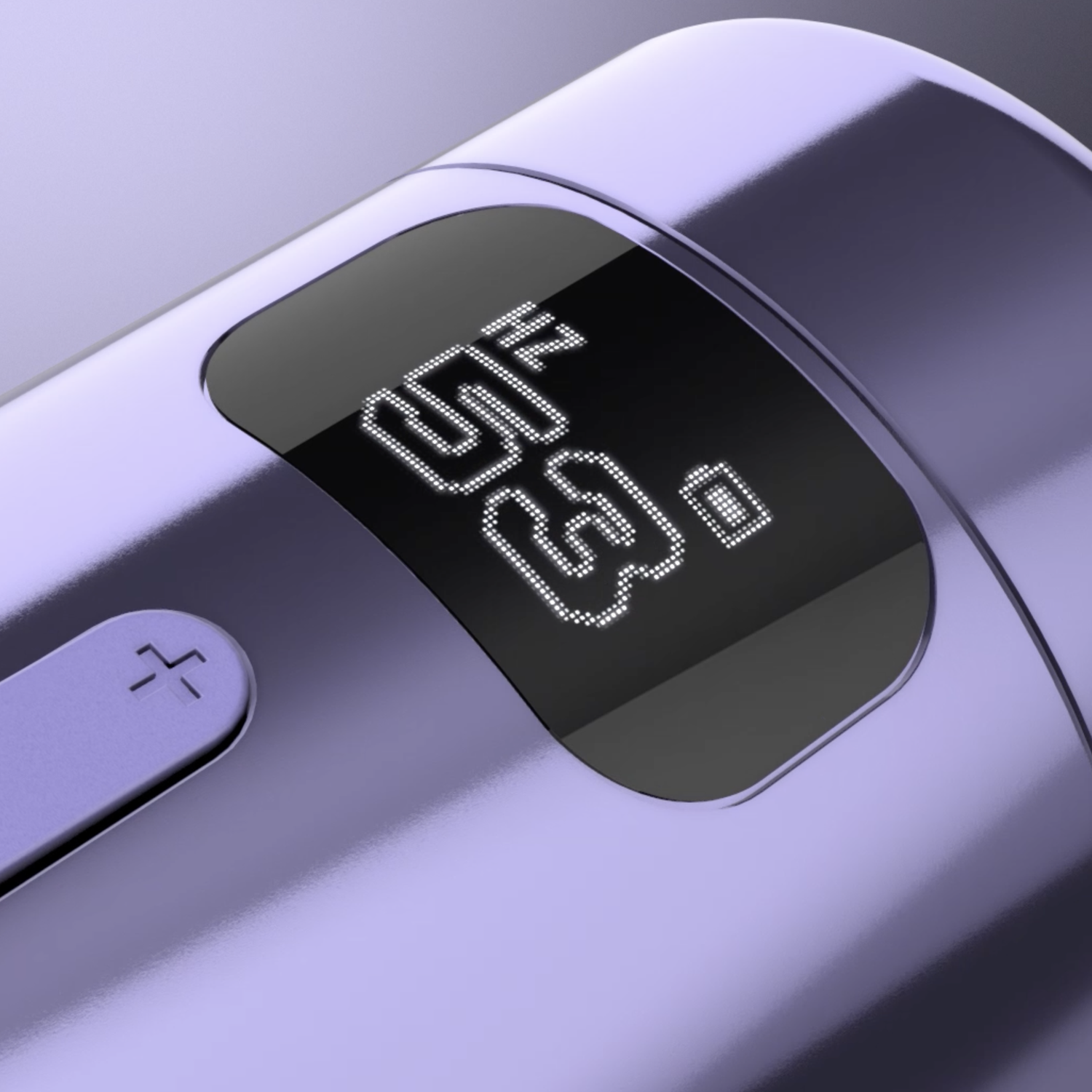
Dva PMU strojky mohou pracovat na frekvenci 60 Hz, mít zdvih 3,5 mm a používat stejnou cartridge, a přesto zanechávat odlišnou stopu. Jeden vytváří při lehkém kontaktu jasně definované a stejnoměrné body (pixely). Druhý vyžaduje pomalejší pohyb ruky či více průchodů, případně začne měnit chování, jakmile jehla narazí na odpor tkáně.
Nejde o rozpor. Frekvence a zdvih popisují důležité parametry, ale nevystihují celý cyklus pohybu jehly. Neříkají nám, jak rychle jehla zrychluje, jak pohon reaguje na odpor cartridge nebo jak dlouho zůstává hrot jehly v přímém kontaktu s deformující se tkání.
Proto nastavení zobrazené na displeji nepředstavuje úplný popis impulzu. Je pouze jednou částí širšího systému: strojek – cartridge – pigment – ruka – tkáň.
Co znamená „impulz“ u PMU strojku?
V tomto článku se pojem impulz vztahuje k praktickým charakteristikám jednoho cyklu jehly: jejímu pohybu vpřed, kontaktu s povrchem, změně směru a návratu. Nejedná se o jedinou standardizovanou veličinu uváděnou všemi výrobci.
Charakteristiky impulzu jsou ovlivněny faktory, jako jsou:
-
průběh pohybu jehly v čase,
-
její rychlost a zrychlení v různých fázích cyklu,
-
délka zdvihu,
-
hmotnost součástí pohybujících se společně se zdvihátkem,
-
točivý moment motoru a způsob jeho řízení,
-
vůle, tření a geometrie mechanismu,
-
odpor membrány cartridge a vodicího systému,
-
odezva systému při zátěži.
Proto dva strojky pracující na stejné frekvenci nemusí nutně zajišťovat identický pohyb jehly. Hodnota v Hz nám říká, jak často se cyklus opakuje. Neodhaluje však celkový průběh tohoto cyklu.
Hz udává počet cyklů, nikoli dobu kontaktu s pokožkou
Jeden hertz znamená jeden cyklus za sekundu. Strojek pracující na frekvenci 60 Hz má vykonat 60 cyklů za sekundu. Průměrná doba trvání jednoho celého cyklu tedy činí:
1 ÷ 60 s = 0,0167 s neboli přibližně 16,7 ms.
Toto rozlišení je důležité: 16,7 ms je doba trvání celého cyklu, nikoli doba, po kterou se jehla nachází v kůži.
Během tohoto intervalu se jehla musí vysunout, dosáhnout své nejzazší polohy směrem vpřed, změnit směr a zasunout se zpět. Po část cyklu zůstává uvnitř špičky cartridge, zatímco v jiné části z ní vyčnívá. S tkání přichází do kontaktu pouze tehdy, když to umožní míra vysunutí jehly, poloha ruky a deformace povrchu.
| Parametr | Co to ve skutečnosti popisuje | Co to samo o sobě neurčuje |
|---|---|---|
| Hz | Počet cyklů za sekundu | Tvar cyklu, kontakt s tkání, hloubka nebo množství vneseného pigmentu |
| Zdvih | Celková dráha pohybu jehlového systému během jednoho cyklu | Hloubka pigmentace nebo skutečná doba kontaktu |
| Vysunutí jehly | Poloha hrotu jehly vzhledem ke špičce cartridge | Skutečný průnik do deformující se tkáně |
| Profil pohybu | Způsob, jakým pohon a řídicí systém provádějí cyklus | Výsledný efekt bez zohlednění cartridge, ruky a tkáně |
Doba kontaktu a „doba setrvání“ (dwell time) nejsou pouhým důsledkem zdvihu
V odvětví tetování a permanentního make-upu (PMU) se termín doba setrvání (dwell time) někdy používá k popisu doby, kterou jehla stráví v nejpřednější části svého pohybu, nebo doby, po kterou zůstává v kontaktu s povrchem. Tyto definice nejsou totožné.
Lze změřit, jak dlouho mechanismus udržuje jehlu v určitém rozsahu poloh. To neznamená, že jehla zůstává po celou tuto dobu uvnitř tkáně.
Skutečný kontakt závisí také na:
-
vysunutí jehly,
-
úhlu sklonu strojku,
-
tlaku a stabilitě ruky,
-
deformaci tkáně před průnikem,
-
otoku vznikajícím během zákroku,
-
pohybu ruky vůči povrchu.
Delší zdvih mění rozsah pohybu a může ovlivnit dynamiku jehly, ale automaticky neznamená, že jehla zůstává v kůži déle.
Stanovení doby kontaktu v milisekundách pro konkrétní strojek za určitých pracovních podmínek by vyžadovalo měření polohy nebo záznam s vysokou snímkovou frekvencí, provedený s konkrétní cartridge a zátěží. Tuto hodnotu nelze spolehlivě vypočítat pouze na základě zdvihu a frekvence (Hz).
Proč mohou dva strojky pracující na frekvenci 60 Hz vytvářet odlišné pixely?
1. Stejná doba trvání cyklu neznamená identickou rychlost v každé fázi
Dva periodické pohyby se mohou opakovat 60krát za sekundu, přičemž se řídí odlišnými profily polohy, rychlosti a zrychlení. Jeden systém se může v pracovní fázi pohybovat dynamičtěji, zatímco druhý může zpomalovat a měnit směr pozvolněji.
V oblasti PMU to může být vnímáno jako přímější nebo měkčí kontakt. Tento vjem však sám o sobě není měřením síly ani důkazem lepší implantace pigmentu. Jde o pozorování, které je třeba posuzovat v souvislosti s konzistencí pixelů, reakcí tkáně a výsledky po zahojení.
2. Cartridge mění zátěž působící na pohonný systém
Membrána, tření ve vedení, hmotnost jehlové tyčky a konfigurace jehly vytvářejí odpor, který musí strojek v každém cyklu překonat.
Dvě cartridge označené jako 1RL 0,30 mohou na pohonný systém klást odlišné nároky, pokud se liší konstrukcí nebo výrobními tolerancemi.
V systému bez účinné kompenzace může zvýšený odpor způsobit pokles skutečné rychlosti. Regulace se zpětnou vazbou porovnává naměřenou hodnotu s cílovou hodnotou a podle toho upravuje reakci pohonu.
Jedná se o obecný princip regulační techniky. Neznamená to, že jej každý výrobce PMU strojků implementuje stejným způsobem, ani samotné označení „bezkartáčový“ (brushless) nezaručuje identické chování při zátěži.
3. Tkáň není tuhý povrch
Než dojde k průniku, jehla nejprve tkáň deformuje. Výzkum mechaniky zavádění jehly – ačkoli nebyl prováděn konkrétně v rámci zákroků PMU – ukazuje, že rychlost zavádění, geometrie hrotu a materiálové vlastnosti ovlivňují jak potřebnou sílu, tak míru deformace. Tyto souvislosti byly pozorovány mimo jiné ve studii z roku 2021, která se zabývala mechanikou zavádění jehly do tkáně jazyka a byla publikována v Medical Engineering & Physics.
To pomáhá vysvětlit, proč se stejný impulz může chovat odlišně na napnuté kůži obočí, měkké červeni rtů a latexu určeném k nácviku.
Neznamená to, že pro každý typ tkáně existuje jeden správný strojek nebo jedna správná frekvence. Znamená to, že tkáň je aktivní součástí mechanického systému, nikoli pouze pasivním příjemcem pigmentu.
Co mění profil pohybu v práci artistky?
Profil pohybu nenahrazuje techniku. Mění však výchozí bod, podle kterého artistka přizpůsobuje rychlost ruky, délku pohybu, cartridge a způsob stabilizace ošetřované oblasti.
Frekvence a rychlost ruky určují potenciální hustotu kontaktů podél dráhy pohybu. Pokud strojek pracuje na frekvenci 50 Hz a ruka se pohybuje rychlostí 25 mm/s, připadají na jeden milimetr pohybu teoreticky dva cykly.
To neznamená, že vzniknou dva identické depozity pigmentu. Jeden cyklus nemusí vést k účinnému kontaktu s tkání, tkáň se může deformovat a množství pigmentu na špičce jehly se může lišit.
Lze tedy říci, že:
-
frekvence (Hz) a rychlost ruky ovlivňují rozložení potenciálních kontaktů,
-
profil pohybu a chování při zátěži ovlivňují charakteristiky jednotlivých cyklů,
-
cartridge a pigment ovlivňují odpor a aplikaci produktu,
-
tkáň a technika určují, jak je tento pohyb ve skutečnosti využit.
Co je prokázaným faktem a co technickým závěrem v oblasti PMU?
Faktem je, že frekvence určuje počet cyklů za sekundu a že zpětnovazební regulace dokáže korigovat rychlost při změně zátěže.
Laboratorní studie rovněž ukazují, že mechanika vpichu jehly závisí na rychlosti, geometrii jehly, vlastnostech tkáně a charakteristikách tekutiny.
Ve studii z roku 2022, využívající tetovací strojek, konfiguraci s pěti jehlami a modelový gel, závisel objem aplikované tekutiny na frekvenci jen nepatrně, avšak při použití tekutiny s nižší viskozitou se zvyšoval.
Nejednalo se o studii permanentního make-upu prováděnou na lidské kůži, proto její číselné výsledky nelze přímo aplikovat na zákrok PMU. Studie však dokládá, že frekvence není jedinou proměnnou ovlivňující množství aplikovaného produktu.
Z technického hlediska pro PMU platí, že hodnocení strojku pouze na základě frekvence (Hz) nebo zdvihu opomíjí některé proměnné ovlivňující kontakt mezi jehlou a tkání.
Jak porovnat chování dvou strojků na PMU?
Srovnání má smysl pouze tehdy, je-li počet proměnných omezen. Místo dvou různých pigmentací obočí se dvěma různými sadami vybavení:
-
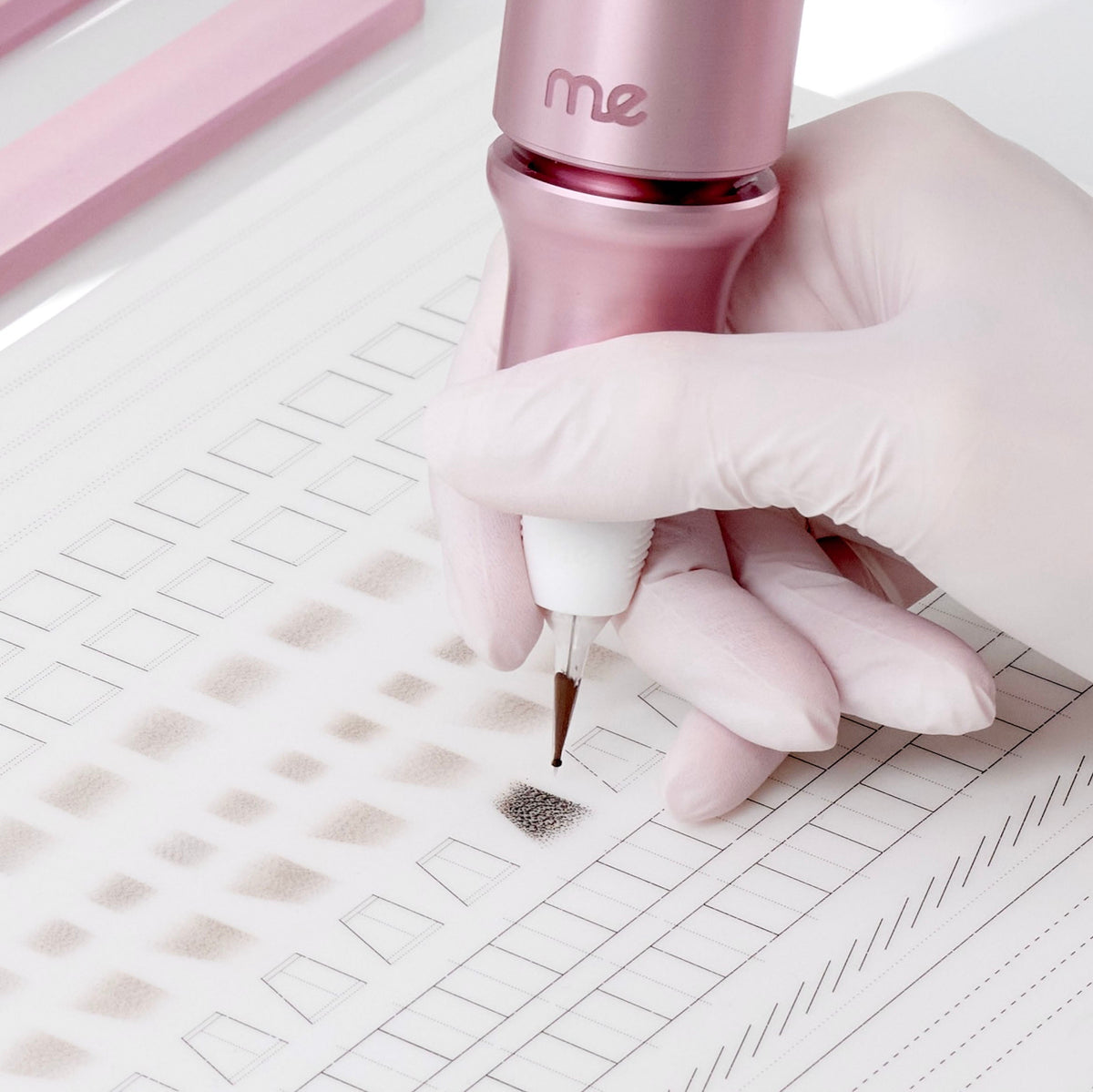
Použijte stejný typ tréninkového latexu a vyznačte úseky stejné délky.
-
Použijte stejný model cartridge ze stejné výrobní šarže.
-
Zachovejte stejné vysunutí jehly, pigment, úhel sklonu a způsob pohybu ruky.
-
Skutečnou frekvenci v Hz porovnávejte pouze tehdy, pokud ji oba strojky zobrazují.
-
Zaznamenejte několik opakování a vyhodnoťte celou sérii, nikoli pouze nejlepší jednotlivou stopu.
-
Otestujte výkon při různých frekvencích, přičemž vždy měňte pouze jeden parametr.
Nehodnoťte pouze intenzitu zbarvení (tmavost). Věnujte pozornost:
-
konzistenci na začátku a na konci každého pohybu,
-
rozestupům mezi jednotlivými vpichy (pixely),
-
šířce stopy,
-
sklonu k vytváření škrábanců nebo nežádoucích čar,
-
změnám zvuku po nasazení cartridge,
-
počtu průchodů potřebných k dosažení srovnatelného výsledku.
Test na latexu nedokáže předpovědět biologickou reakci. Může však odhalit, zda strojek a cartridge tvoří systém s opakovatelnými výsledky, ještě předtím, než do procesu vstoupí ten nejproměnlivější prvek: živá tkáň.
Časté otázky
Znamená vyšší frekvence silnější impulz?
Ne. Vyšší hodnota Hz znamená více cyklů za sekundu. Pocit při kontaktu závisí také na zdvihu, dynamice pohybu, konstrukci mechanismu, použité cartridge, řízení motoru a technice práce.
Lze z hodnoty Hz vypočítat dobu kontaktu jehly s kůží?
Ne. Hodnotu Hz lze využít k výpočtu doby trvání celého cyklu. Určení skutečného kontaktu s tkání vyžaduje znalost profilu pohybu, vysunutí jehly, polohy strojku a deformace tkáně.
Znamená delší zdvih, že jehla zůstává v kůži déle?
Ne nutně. Delší zdvih mění dráhu pohybu a může ovlivnit rychlost i zrychlení, avšak doba kontaktu závisí na profilu cyklu a pracovních podmínkách. Zdvih nelze ztotožňovat s hloubkou či dobou průniku.
Proč strojek funguje správně bez cartridge, ale po jejím nasazení se zpomalí?
Cartridge představuje odpor membrány, tření ve vedení a hmotnost pohyblivých částí. Pokud se tento jev opakovaně vyskytuje u několika ověřených cartridge, je třeba posoudit schopnost pohonu a řídicího systému udržet chod při zátěži.
Může lepší profil pohybu napravit špatnou techniku?
Ne. Může sice poskytnout stabilnější a předvídatelnější výchozí bod, ale nemůže nahradit správné napnutí tkáně, úhel, rychlost pohybu ruky, kontrolu nad počtem průchodů či vhodný výběr cartridge.
Závěr
Hodnota Hz odpovídá na otázku: Jak často se cyklus opakuje?
Zdvih odpovídá na otázku: Jakou dráhu urazí systém jehly?
Ani jeden z těchto parametrů sám o sobě neodpovídá na otázku: Jak přesně se jehla chová při kontaktu s tkání?
Odpověď na tuto otázku vyžaduje posouzení celého systému: profilu pohybu, řízení motoru, chování při zátěži, cartridge, pigmentu, ruky a biomechaniky ošetřované oblasti.
Nejde o to ignorovat hodnotu Hz nebo zdvih. Jde o to využívat tyto parametry v souladu s tím, co skutečně popisují – aniž bychom jim přisuzovali vlastnosti, které neměří.

Napsat komentář
Všechny komentáře jsou před zveřejněním moderovány.
Tento web je chráněn službou hCaptcha a vztahují se na něj Zásady ochrany osobních údajů a Podmínky služby společnosti hCaptcha.